Where Energy Meets Intelligence
Building the power grids of tomorrow — smart, clean, resilient, AI-driven.
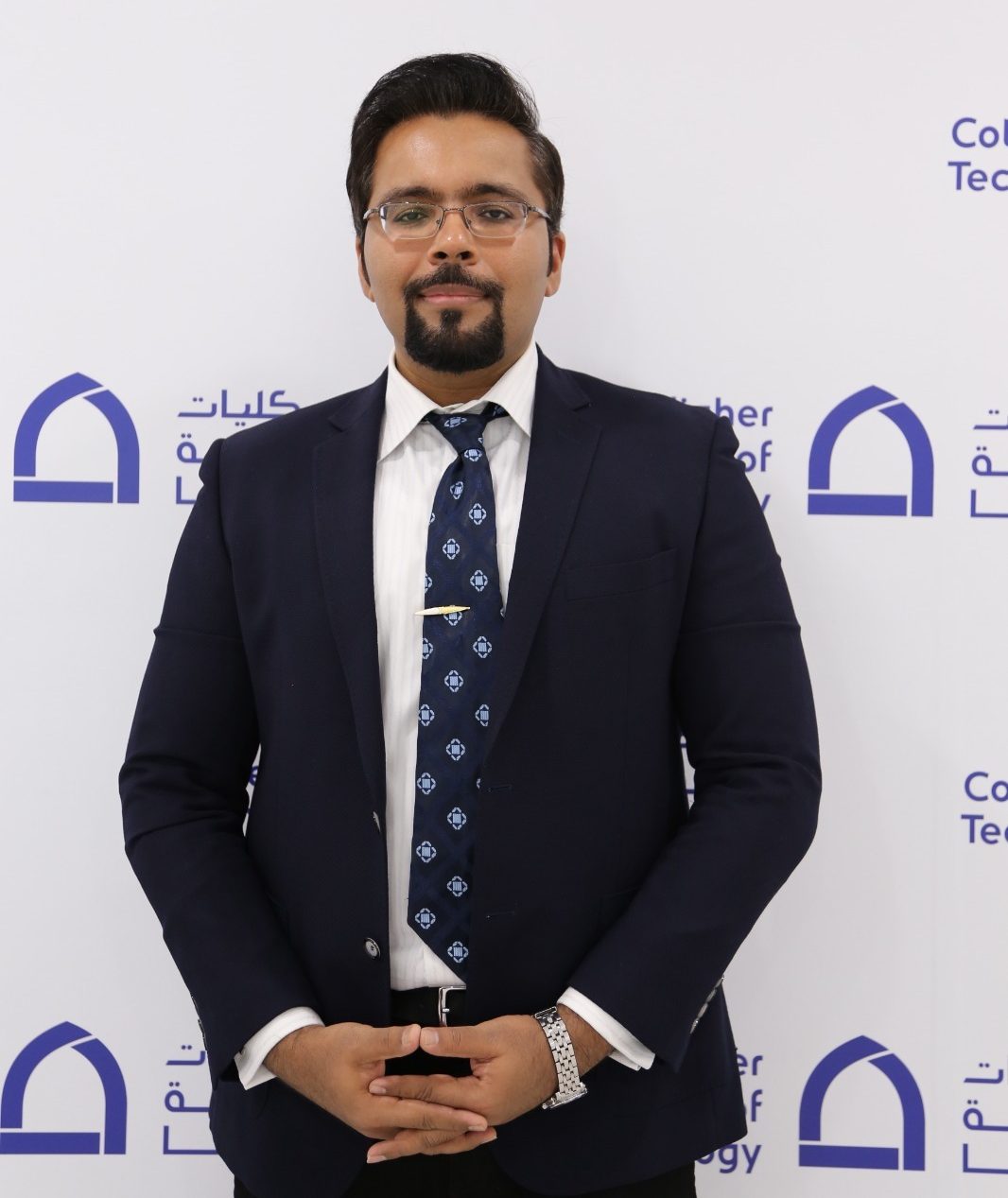
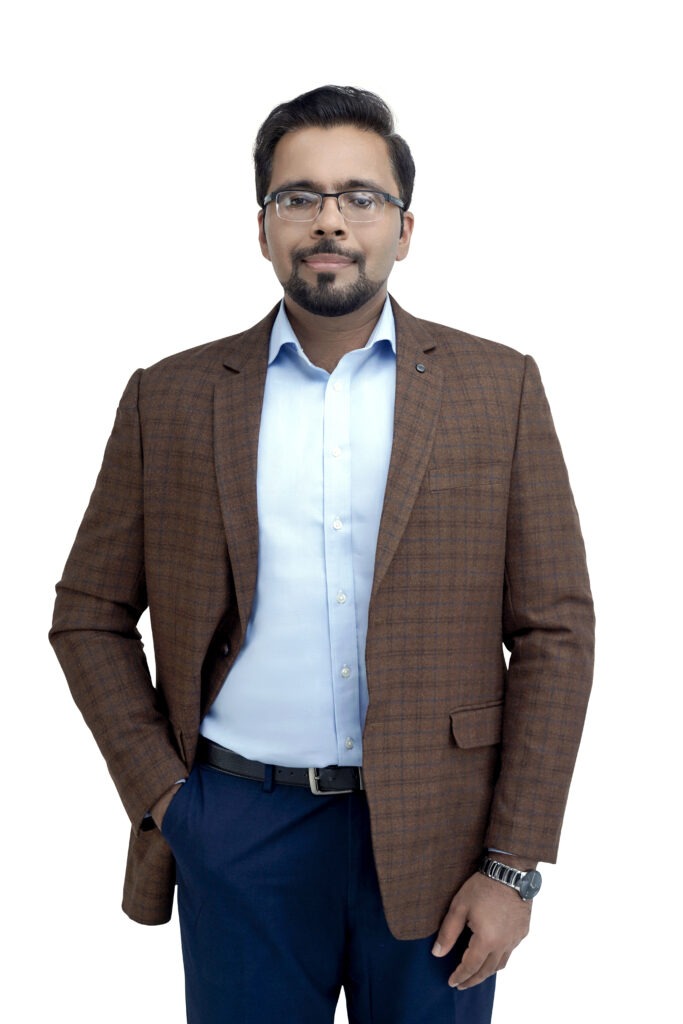
Dr. Haris M. Khalid researches power system stability, renewable energy integration, cyber-physical security and applied machine learning at the University of Dubai, and he helps governments, utilities and industry leaders future-proof the infrastructure everything else depends on.
His work has been cited widely enough to place him among the world’s Top 2% Scientists in Energy in the Stanford University and Elsevier global ranking. The ranking matters less to him than the question behind it.
Eighteen Years Asking How Power Systems Behave Under Pressure
From petrochemical control rooms in Dhahran to orbital energy platforms with the UAE Space Agency, one question has run through all of it: how do we make complex energy systems behave predictably when the world around them doesn’t?
Grids were built for a handful of large, steady generators. They now carry thousands of small, restless ones. Solar that stops at dusk. Wind that keeps its own schedule. EV fleets that pull hard at seven in the evening. And every new layer of digital control is also a new door for someone who shouldn’t be walking through it.
That gap — between the grid we inherited and the one we actually need — is where his career has been spent.
Research at a Glance
A snapshot of research experience, academic recognition, publications, grants, and editorial contributions.




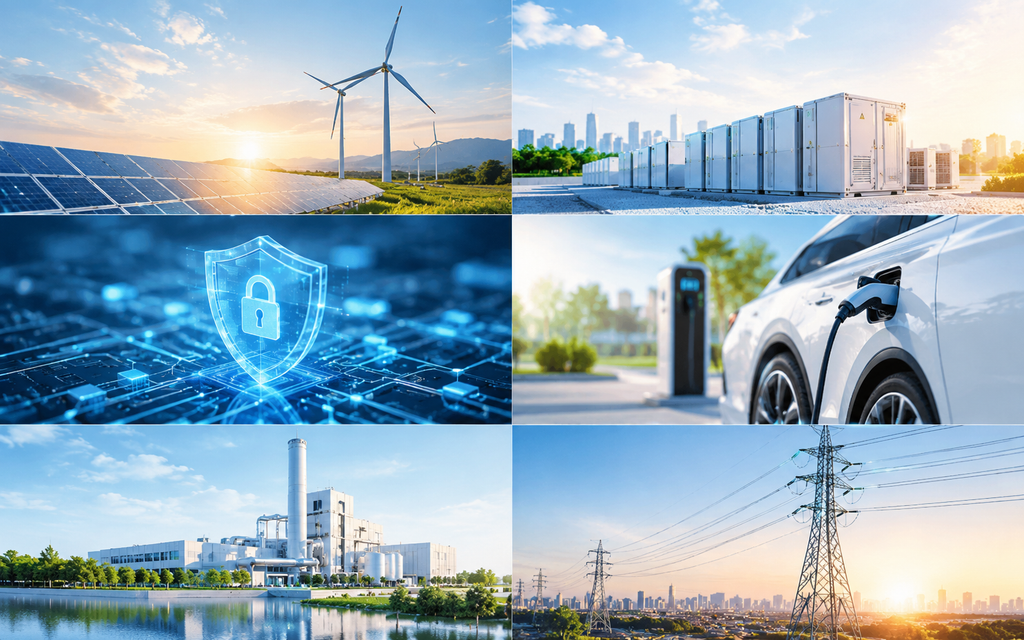
Six domains, one problem
Each area below asks the same question from a different angle: what happens when energy systems stop operating under ideal conditions?
Engineering smarter, safer and more sustainable energy systems.
Dr. Haris M. Khalid’s research spans power systems, smart grids, renewable energy, cybersecurity, energy storage, electric mobility and artificial intelligence.
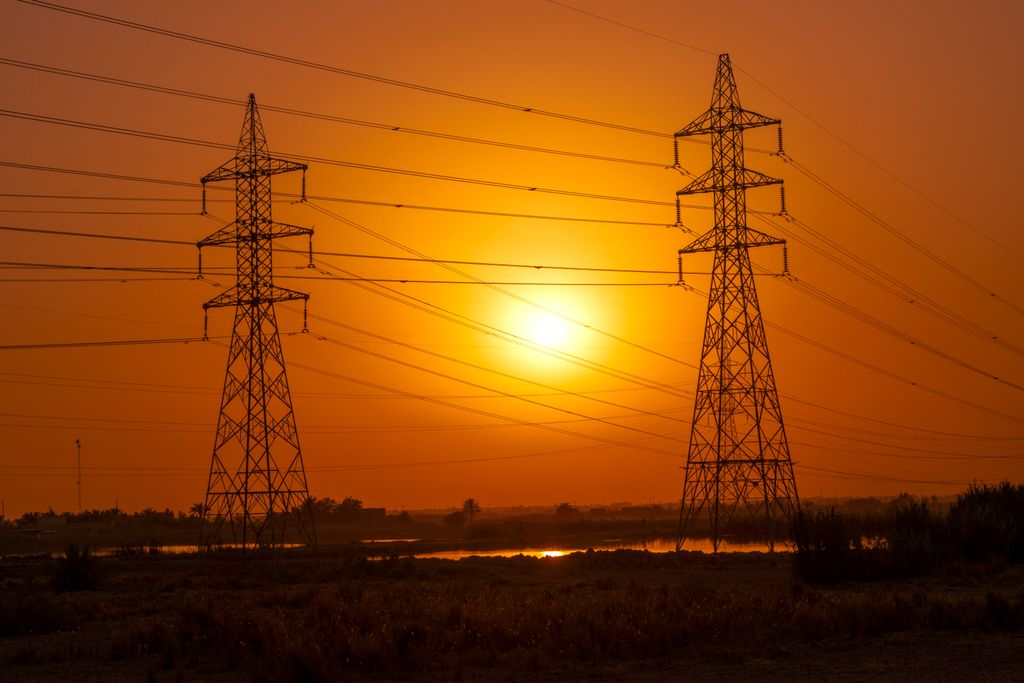
Power Systems & Grids
Stability analysis, state estimation and control of multi-area interconnected networks — including how they hold together when communication channels are disrupted.
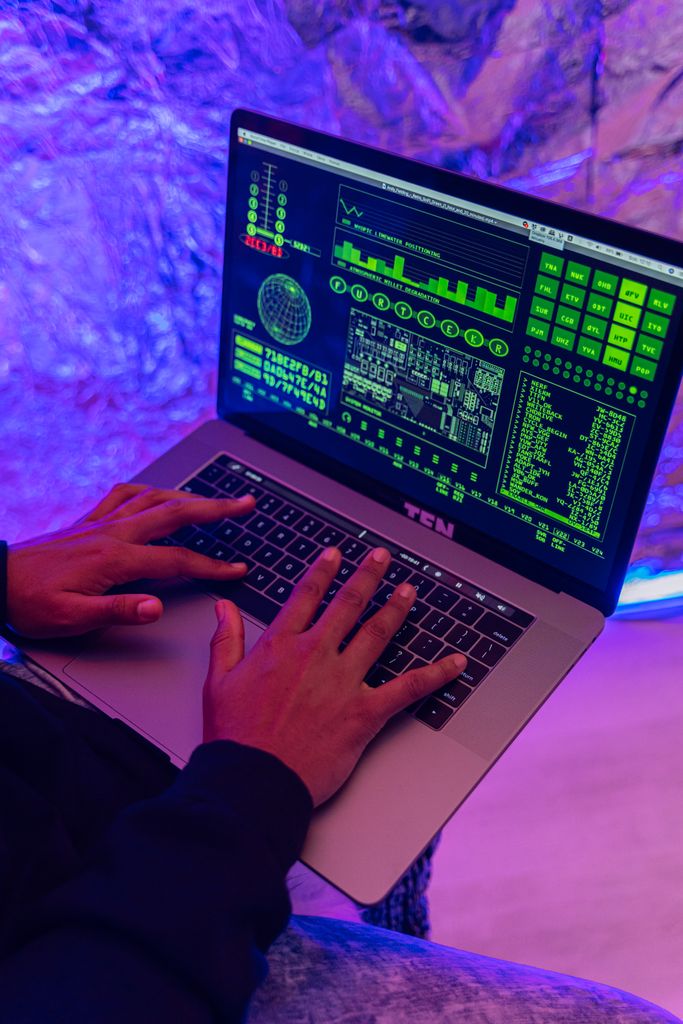
Cyber Physical Security
Detecting and mitigating cyber-attacks on critical energy and healthcare infrastructure, including denial-of-service scenarios that target the control layer.

Energy Storage & Electric Vehicles
Battery sensor health diagnosis, current-split estimation across parallel cells, and vehicle-to-grid systems for transportation electrification.

Machine Learning & Applied AI
Deep learning and signal processing for fault diagnostics, power quality classification and condition monitoring across energy systems.
Where Recognition Meets Real-World Work
Top 2% Scientist Worldwide
Listed in the Stanford/Elsevier ranking of the world’s top 2% scientists for sustained impact in energy research.
90+ Peer-Reviewed Publications
Over 90 peer-reviewed papers and one textbook, published across IEEE, IET, Elsevier, Springer and MDPI.
Senior Member, IEEE
A grade held by a small share of IEEE members, awarded for professional maturity and a record of significant work.
Fellow, Advance HE (UK)
Recognised by Advance HE for teaching practice that meets UK national standards in higher education.
Students First
Capstone and graduate projects are built to produce a published paper and a Google Scholar record before graduation — not just a grade.
Applied, Not Abstract
Every project ends at a working system: a prototype, a diagnostic scheme, or a control strategy that holds under real operating stress.
Have a Problem Worth Solving?
Power systems, smart grids, energy resilience — from research question to working system.